The Watch Strap Industry Is Booming And the Numbers Prove It
A new market report projects the global watch straps market will reach $5.4 billion by 2033, fueled by personalization trends, smartwatch adoption, and the continued growth of e-commerce.
 Nenad Pantelic • March 9, 2026
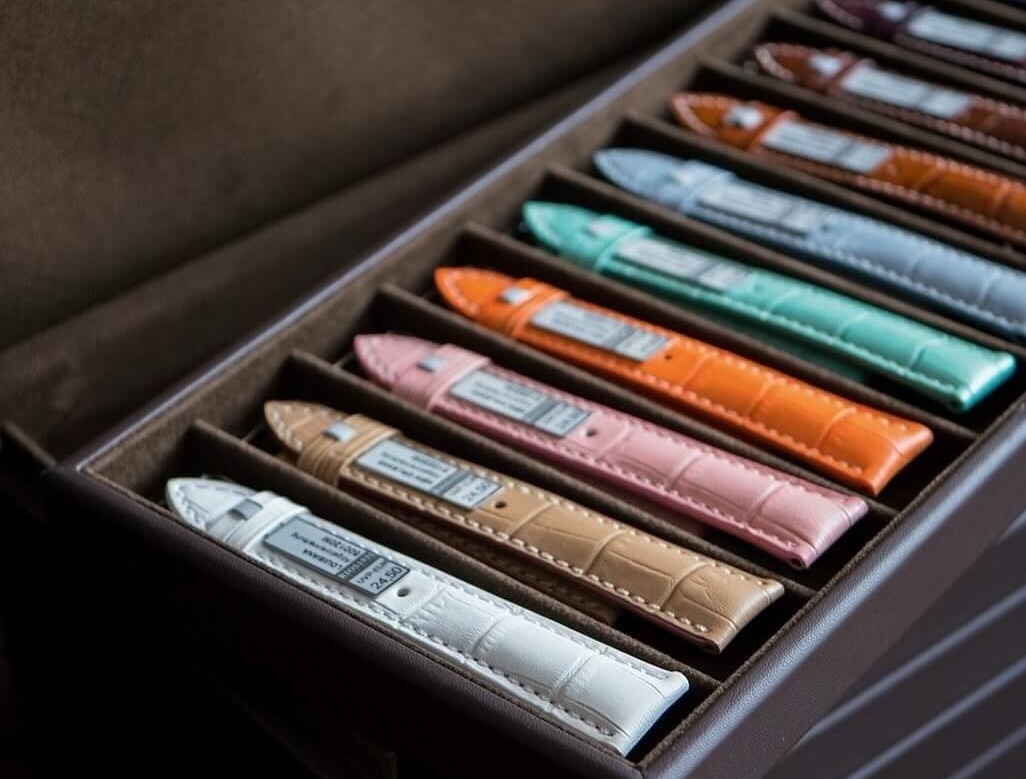
If you've been paying attention to the strap world over the past few years, you've probably felt it: more brands, more materials, more options than ever before. Now, a comprehensive market report from Verified Market Reports puts hard data behind that intuition.
The Key Takeaway The global watch straps market, valued at approximately $3.2 billion in 2024, is projected to grow at a compound annual growth rate of 7.2% through 2033, ultimately reaching an estimated $5.4 billion.
For strap enthusiasts, collectors, and independent strap makers, the takeaway is clear: this niche we love isn't so niche anymore.
What's Driving the Growth?
The report identifies several forces pushing the watch strap market forward:
Personalization is king. The modern watch wearer doesn't settle for whatever strap came in the box. Whether it's a hand-stitched shell cordovan piece for a vintage Omega or a tropical rubber strap for weekend diving, consumers are treating straps as an essential form of self-expression. The report highlights that demand for customizable options, including bespoke colors, materials, patterns, and sizing, has become one of the primary growth engines for the industry.
Smartwatches are bringing new buyers into the fold. The explosion of wearable technology has created an entirely new category of strap consumer. With smartwatch shipments surpassing 100 million units annually, there's a massive and growing audience that needs (and wants) aftermarket straps. Apple Watch alone commands a significant slice of this market, and third-party replacement straps have become a multi-hundred-million-dollar segment on their own.
E-commerce has leveled the playing field. The rise of online retail has been transformative for strap makers of all sizes. Small workshops that once relied on word-of-mouth now have direct access to global audiences through dedicated websites, marketplaces, and social media platforms. The report notes that online commerce has expanded the reach of manufacturers while simultaneously giving consumers access to a far wider range of products, styles, and price points than any physical store could offer.
The Watch Strap Market in Numbers
Key data from the Verified Market Reports 2024–2033 forecast
Market Growth Projection
Global watch strap market value, 2024–2033 (USD billions)
Regional Market Share
Revenue distribution by region, 2024
Strap Materials Breakdown
Market share by material type
Key Industry Figures
Headline numbers from the report
Materials: A Market for Every Option
The report segments straps across a range of materials. Leather remains the go-to for luxury and dress watches. Silicone and rubber dominate the sport and smartwatch categories. Metal bracelets continue to hold strong in both the luxury and mid-range tiers. And interestingly, the ceramics segment has emerged as a notable player, particularly in higher-end applications.
For the StrapHunter community, the materials story is particularly relevant. The report confirms what many artisan strap makers already know: consumers are increasingly willing to pay more for premium, distinctive materials, from exotic leathers to sustainably sourced alternatives.
Regional Breakdown: Who's Buying?
North America leads global strap consumption, accounting for the largest share of market revenue. The report attributes this to high consumer spending on fashion accessories, strong smartwatch adoption rates, and a culture that increasingly views watches as personal style statements rather than purely functional timepieces. The United States alone represents roughly 31% of global strap consumption by volume.
Europe follows as the second-largest market and is projected to be the fastest-growing region through the forecast period. Asia-Pacific, driven by rising disposable incomes in China, India, Japan, and South Korea, represents enormous growth potential, particularly as both luxury watch culture and smartwatch adoption continue to deepen across the region.
The Challenges Ahead
It's not all smooth sailing. The report flags several challenges that the industry will need to navigate.
Fluctuating raw material costs remain a persistent challenge. Leather and metal prices are subject to global supply chain disruptions and economic volatility, a reality that hit home during the pandemic-era price spikes. For small and independent strap makers operating on tighter margins, these swings can be especially painful.
Competition from alternative wearables, including fitness bands and smart rings, could divert consumer spending away from traditional watch straps. And in mature markets like parts of Europe and North America, saturation may slow growth as the addressable audience of active watch wearers stabilizes.
Broader economic uncertainty also looms. In a post-pandemic world still feeling inflationary pressures, discretionary spending on accessories can be one of the first areas where consumers tighten their belts.
Key Players to Watch
The report names a broad roster of companies shaping the market, spanning luxury houses and heritage brands to specialist strap makers. Among the major players listed: Swatch Group, Rolex, Richemont, LVMH, Fossil, Citizen, Garmin, Seiko, Patek Philippe, Casio, Chopard, Audemars Piguet, Hirsch, Breitling, and Franck Muller. On the dedicated strap side, names like Jean Rousseau, Visconti Milano, and WatchObsession are featured.
What's interesting and encouraging is the growing recognition that the strap market isn't just a support act for watch brands. It's a thriving, independent industry in its own right, with its own manufacturers, innovators, and passionate consumer base.
What This Means for Strap Lovers
For those of us who spend entirely too much time obsessing over watch straps and bracelets this report is validation. The watch strap market is growing, diversifying, and maturing. More materials. More makers. More ways to make a watch truly yours. The golden age of watch straps isn't coming soon. It's already here.
Source: "Global Watch Straps Market — By Manufacturers, Regions, Type and Application, Forecast to 2033," Verified Market Reports. Additional data from IndexBox, QYResearch, and Cognitive Market Research.